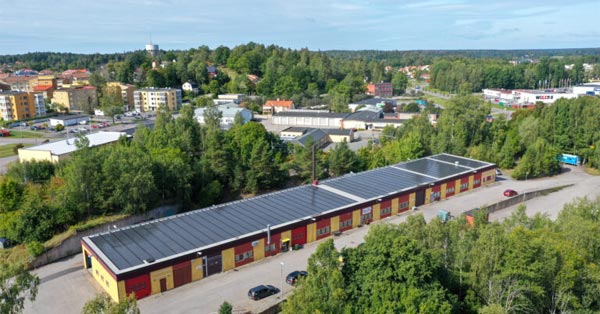
CIGS Technology – Copper Indium Gallium Selenide
-
Thin-film construction
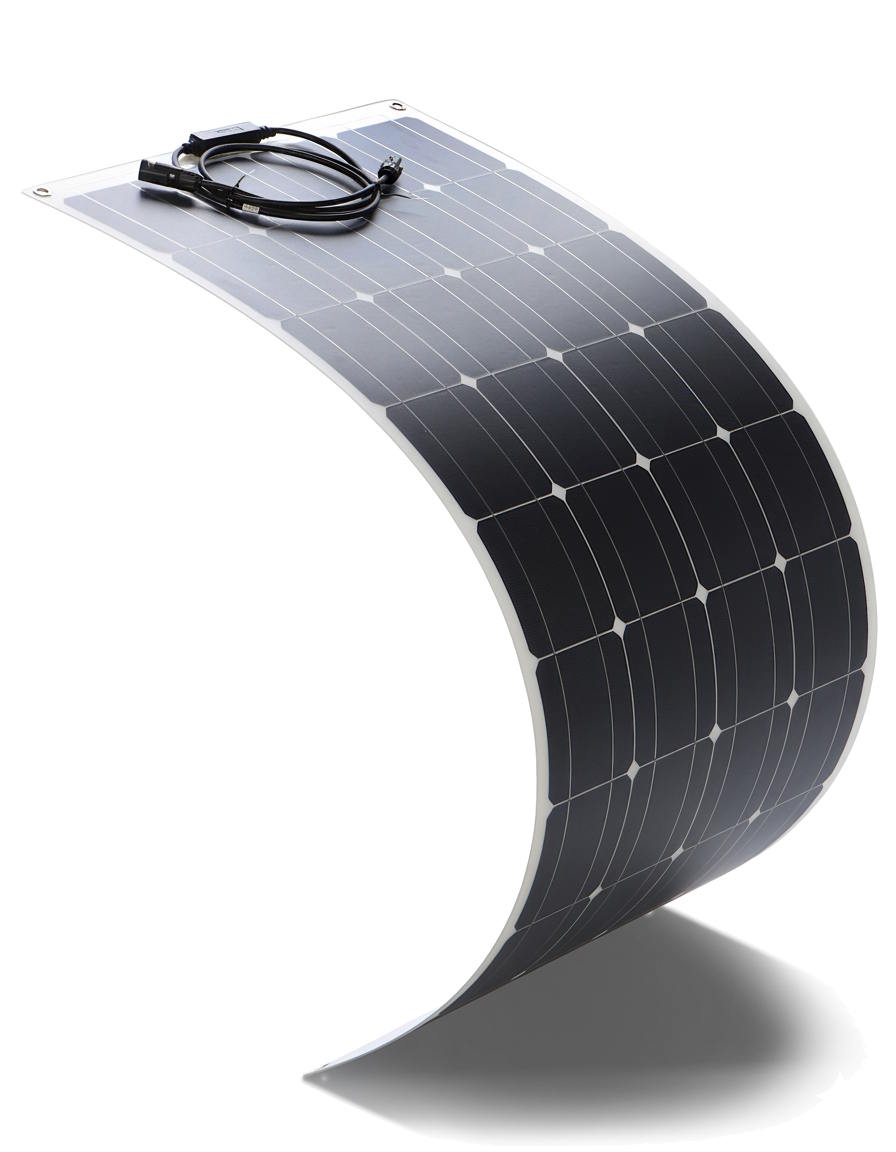
350 times thinner than traditional silicon panels, which translates into minimal weight and flexibility -
Made in Europe
Mainly in Finland -
High Efficiency
Commercial efficiency 12-17%, in laboratories up to 23.35% -
Excellent performance in difficult conditions
Better temperature coefficient and performance in low light and at high temperatures -
Ecological production
90% less CO2 emissions in the life cycle: 4-6 g/kWh vs 40-60 g/kWh for silicon panels
CIGS cells are thin-film solar cells that convert light into electricity. They belong to the three main thin-film technologies, alongside CdTe and amorphous silicon. Unlike traditional silicon panels, CIGS are created using a thin layer of copper, indium, gallium, and selenium alloy applied to glass or a flexible substrate. This material allows the use of absorbing layers with a thickness of only 1 µm – up to 100 times thinner than in silicon cells.
Although CIGS currently represent a niche part of the PV market, this technology is still developing, combining the potential for high efficiency with lower thin-film production costs.
Our offer
933.90 zł tax excluded
1,148.70 zł tax included
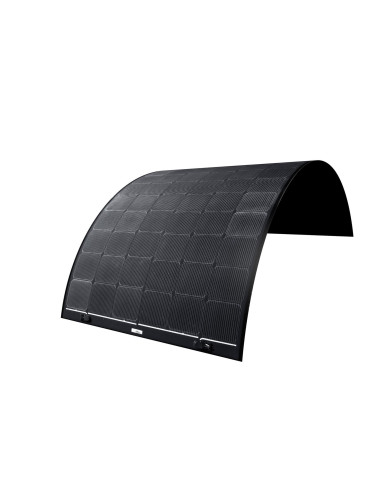
1,945.60 zł tax excluded
2,393.09 zł tax included
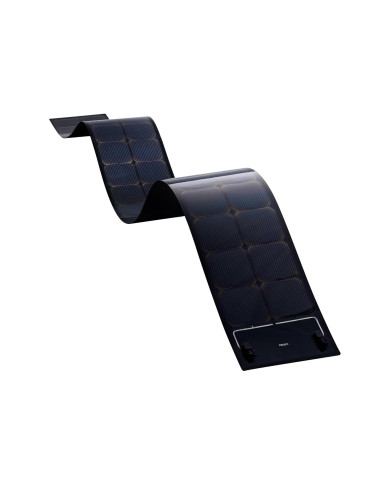
1,256.17 zł tax excluded
1,545.09 zł tax included
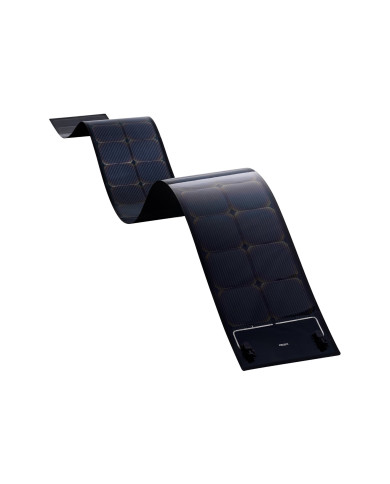
1,230.56 zł tax excluded
1,513.59 zł tax included
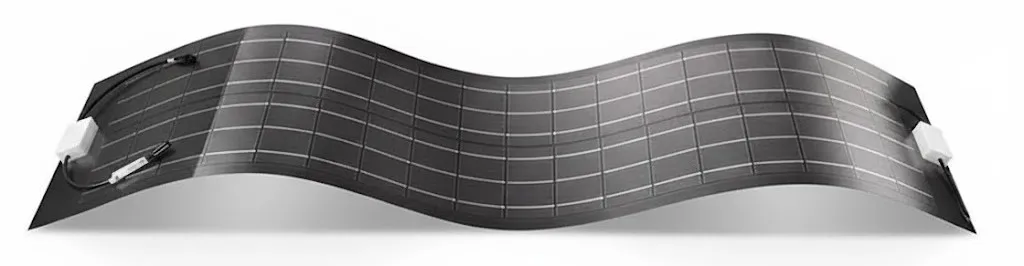
Features of CIGS modules
Ultra lekkie
0.5-3 kg/m²
vs 11-12 kg/m² tradycyjne panele krzemowe
Giętkie
Promień gięcia do 4m
Możliwość montażu na zakrzywionych powierzchniach
Wydajne w cieniu
+38% energii
Więcej energii w zachmurzony dzień vs panele mono
Łatwy montaż
Samoprzylepne
Bez wiercenia, bez ram montażowych
In laboratory tests, the efficiency of CIGS panels is sometimes lower than their silicon counterparts. The record laboratory efficiency for a CIGS cell is currently 23.64% - however, in real conditions, CIGS often generates more energy (kWh) from each installed kilowatt-peak (kWp) per year because
it works more efficiently in weak or diffused light (e.g., during cloud cover), is less sensitive to high temperatures, and maintains high productivity at various angles of incidence of light.
Applications of CIGS panels
Transport and mobility
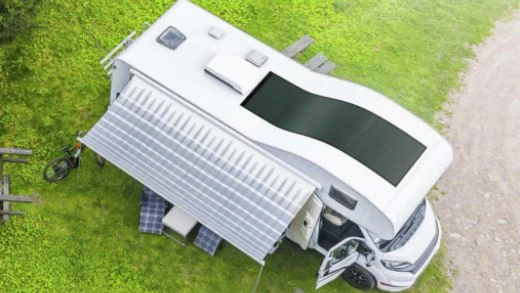
- Campers and caravans (RV)
- Boats and yachts
- Electric vehicles
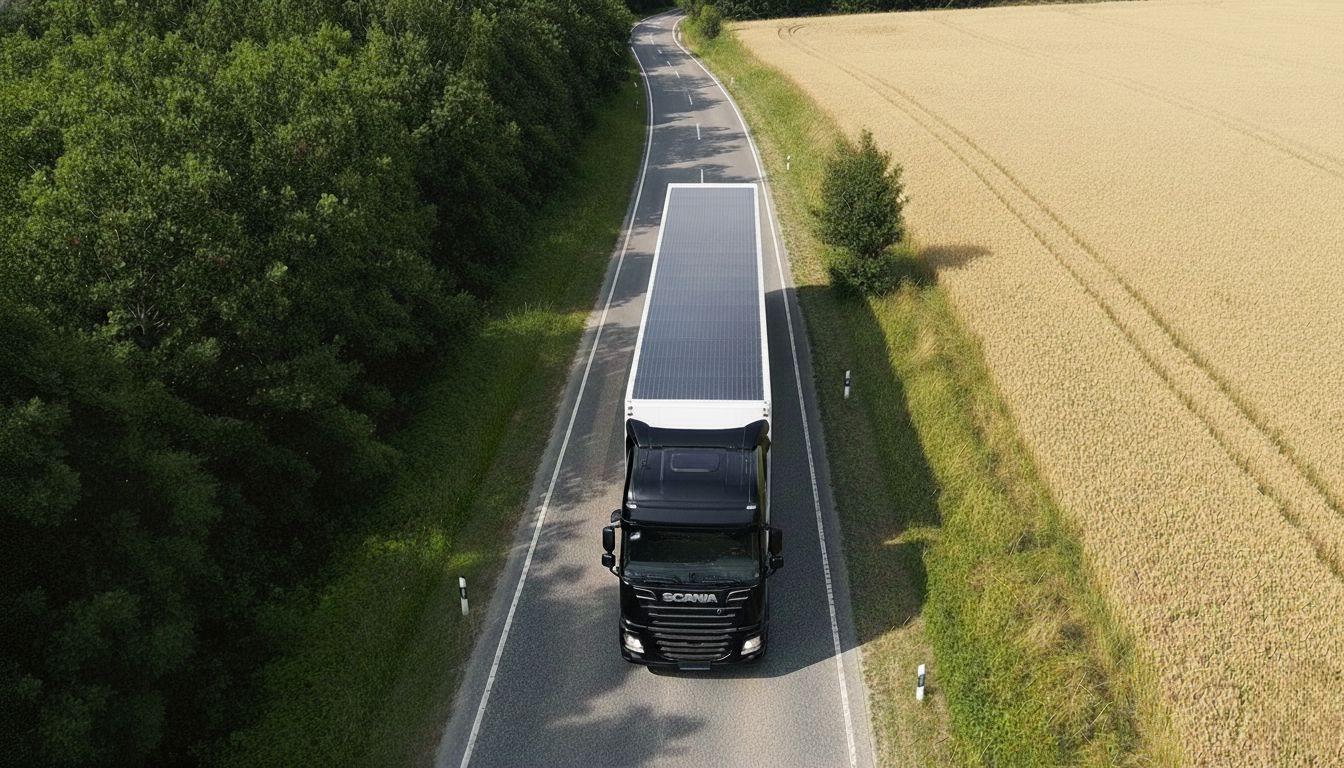
- Trucks and transport vans
BIPV (building-integrated photovoltaics)
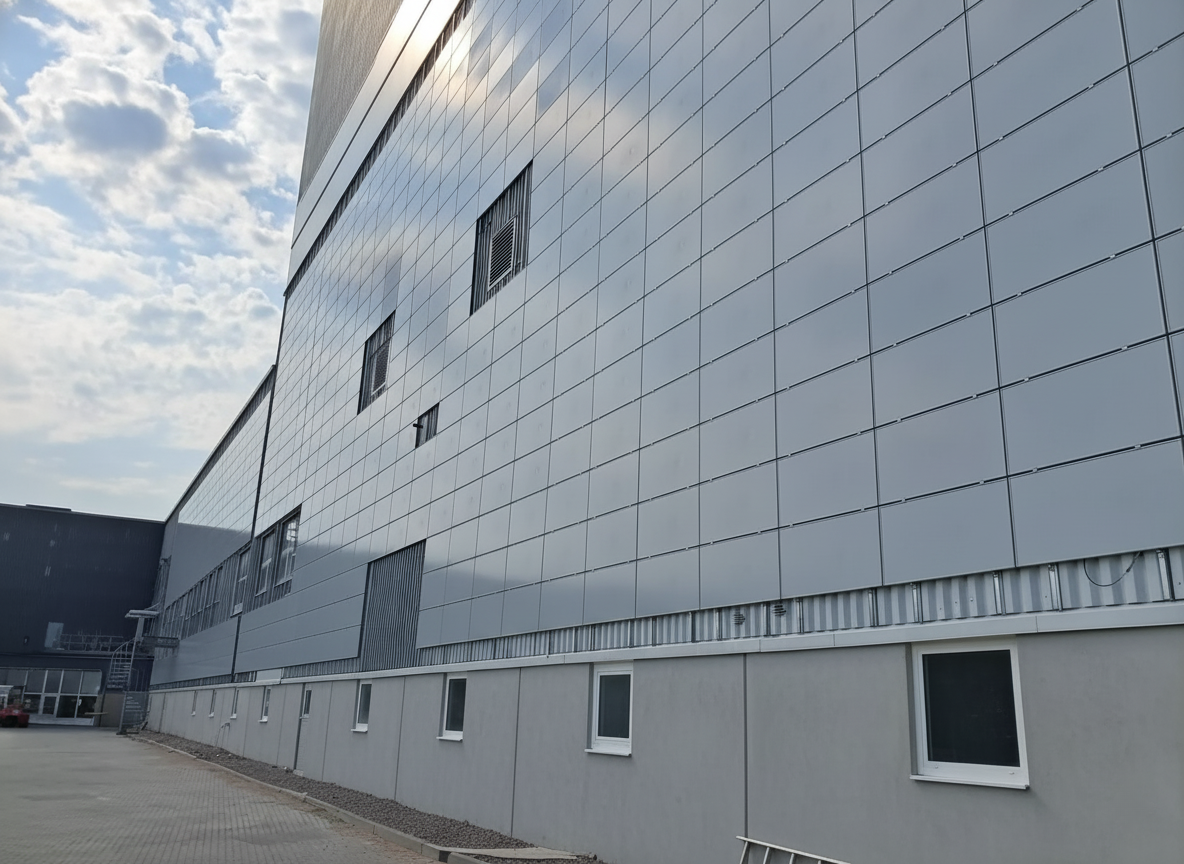
- Building facades
- Roofs with low load-bearing capacity
- Greenhouses and agricultural structures
- Modern architecture
Commercial installations
- Warehouses
- Industrial buildings
- Commercial buildings
- Gas stations
Portable systems
- Off-grid systems
- Mobile charging stations
- Camping equipment
- Special applications
Comparison
| Kryterium | CIGS | Krzemowe mono |
|---|---|---|
| Waga | 0.5-3 kg/m² | 11-12 kg/m² |
| Elastyczność | Tak, promień do 4m | Nie |
| Montaż | Samoprzylepny | Ramy + wiercenie |
| Wydajność w cieniu | +38% energia | Standard |
| Współczynnik temperaturowy | -0.3% do -0.4%/°C | -0.45%/°C |
| Emisja CO2 | 4-6 g/kWh | 40-60 g/kWh |
| Gwarancja | 10+25 lat | 10+25 lat |
CIGS panels have minimal sensitivity to shading and temperature changes - much less than classic panels. Sthey are also designed for durability – much more resistant to microcracks, hail, wind, and snow, and their surface is durable enough to walk on during installation and maintenance.
Installation
Ecological alternative
The production of CIGS panels generates 90% less CO₂ emissions, reaching only 6g CO₂ per kilowatt-hour (kWh) produced, compared to 40-60g CO₂/kWh for silicon panels. Moreover, these panels are 98% recyclable, and 63% of the materials used in their production come from recycling, making this technology a leader in sustainable development.